February 13, 2026
How Gut Inflammation Affects Your Brain Power
Gut inflammation doesn’t just cause bloating—it silently fuels brain fog, weak memory, and poor focus. Learn how your gut and brain talk to each other and what you can do to protect your mental clarity.
Ready to clear the brain fog by fixing what’s happening in your gut?
The gut-brain axis is among the most fascinating discoveries in modern neuroscience. This bidirectional communication system connects the gastrointestinal tract with the central nervous system through multiple pathways, creating a constant dialogue that influences everything from mood to memory. When inflammation disrupts this delicate system, the consequences extend far beyond digestive discomfort.
What Is the Gut-Brain Axis?
The gut-brain axis encompasses neural, endocrine, and immune pathways that facilitate bidirectional communication between your gastrointestinal system and brain. Think of it as a sophisticated information highway where signals travel in both directions, allowing your gut health and brain function to influence each other continuously.
This isn't a metaphor. Your gut contains approximately 500 million neurons forming the enteric nervous system, often called your "second brain." While this network doesn't think or feel emotions, it coordinates digestive processes and sends constant status updates to your brain about what's happening in your belly.
Recent research from UCLA in 2025 provided direct evidence that the vagus nerve serves as the primary communication pathway in this system. When researchers studied mice without gut bacteria, they observed significantly lower vagal nerve activity than in mice with normal microbiomes. Introducing gut bacteria normalized this activity, confirming the crucial role microbes play in gut-brain communication.
Neural Pathways: The Vagus Nerve Connection
The vagus nerve stands out as the most critical neural pathway connecting your gut to your brain. This cranial nerve extends from your brainstem through your neck, chest, and abdomen, linking your brain to key digestive organs. Approximately 90% of vagal nerve fibers carry sensory information from your gut to your brain, while only 10% send motor commands back down.
Recent studies demonstrate that the vagus nerve doesn't just transmit simple signals. It carries complex information about gut stretch, chemical composition, microbial metabolites, and inflammatory markers. When your gut detects changes like bacterial imbalances or inflammation, these signals travel via the vagus nerve to brain regions that control mood, stress responses, and cognitive function.
The communication between the gut and the brain involves sophisticated chemical signaling. Your gut microbiota produces metabolites like short-chain fatty acids (SCFAs) and bile acids that can stimulate vagal activity through specific receptors. A 2024 study identified that these metabolites activate different groups of neurons in the vagus nerve, each with unique response patterns, creating a nuanced communication system far more complex than previously understood.
The Role of Gut Microbiota in Brain Function
Your microbiome and cognition are intimately linked through multiple mechanisms. The trillions of bacteria inhabiting your gut don't just aid digestion: they actively influence brain chemistry and function. These microbes produce neurotransmitters, modulate inflammation, and generate metabolites that cross into circulation and ultimately affect your brain.
Research published in 2025 shows that gut bacteria produce metabolites, including short-chain fatty acids (SCFAs), that affect mucosal immunity, antigen presentation, and immune responses, thereby directly influencing cognitive functions. Butyrate, acetate, and propionate, the three primary SCFAs, can cross the blood-brain barrier, providing neuroprotection by regulating neuroinflammation and enhancing barrier integrity.
Specific bacterial strains have been shown to directly affect brain chemistry. Bifidobacterium and Lactobacillus species, for instance, can synthesize gamma-aminobutyric acid (GABA), the brain's primary inhibitory neurotransmitter. Other strains increase tryptophan production, boosting serotonin synthesis.
While 90-95% of your body's serotonin is produced in the gut, this gut-derived serotonin primarily regulates local digestive processes rather than directly affecting mood, since it cannot cross the blood-brain barrier. However, the precursors and pathways it influences do impact brain serotonin production.
When Inflammation Disrupts Communication
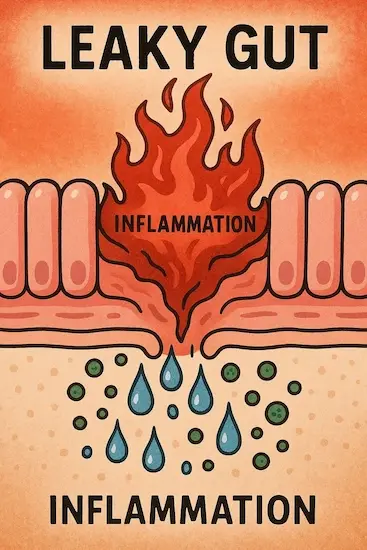
Gut inflammation fundamentally alters communication within the gut-brain axis. When your intestinal barrier becomes compromised, a condition called increased intestinal permeability, bacterial components and inflammatory molecules can enter your bloodstream. This triggers systemic inflammation that reaches your brain, disrupting normal neural function.
A comprehensive 2025 study found that alterations in the gut microbiota have been increasingly implicated in cognitive impairment through mechanisms involving systemic inflammation, immune dysregulation, and disruption of the gut-brain axis. The research documented that patients with cognitive impairment showed elevated levels of lipopolysaccharide (a bacterial component) and inflammatory markers, which correlated with greater cognitive decline.
The inflammatory cascade works as follows: dysbiosis (microbial imbalance) disrupts the gut barrier, allowing bacterial components, such as lipopolysaccharide (LPS), to translocate into the circulation. This LPS triggers your immune system to release pro-inflammatory cytokines, including interleukin-1β (IL-1β) and tumor necrosis factor-alpha (TNF-α). These cytokines can cross the blood-brain barrier, activating microglia, your brain's immune cells, and triggering neuroinflammation.
Research in Cell Reports Medicine demonstrated that fiber-deprived diets link directly to cognitive impairment through this mechanism. Mice subjected to long-term fiber deficiency exhibited deficits in object location memory and temporal order memory. These cognitive deficits were associated with increased hippocampal inflammation and excessive microglial engulfment of synapses; in other words, the brain's immune cells were destroying the very connections needed for learning and memory.
Also read: Gut-Brain Connection: From Gut Feelings to Your Second Brain in the Belly
The Immune Connection: Beyond the Gut
The communication between gut and brain extends through your immune system. Your gut houses approximately 70% of your immune cells, making it the largest immune organ in your body. When gut inflammation occurs, it doesn't stay local, it triggers systemic immune activation that directly affects brain function.
A 2025 Frontiers review explains how compromised gut barriers and blood-brain barrier dysfunction contribute to cognitive disorders. When stress or infection alters gut microbiota composition, microbial metabolites and structural components can translocate into circulation, reach brain barriers, and trigger inflammatory responses that result in neuroinflammation and cognitive dysfunction.
Recent evidence indicates that specific immune markers strongly correlate with cognitive decline. Elevated levels of cell adhesion molecules (CAMs) and inflammatory cytokines in patients with cognitive impairment suggest that endothelial and vascular damage, triggered by gut inflammation, plays a direct role in neurodegeneration.
Understanding these pathways reveals why maintaining gut health isn't just about avoiding digestive discomfort. Your gut microbiome, the integrity of your intestinal barrier, and the inflammatory state of your digestive system directly influence your brain's ability to form memories, regulate emotions, and maintain cognitive clarity. When inflammation disrupts the gut-brain axis, the effects ripple throughout your entire nervous system, potentially contributing to cognitive decline, mood disorders, and neurodegenerative diseases.
The good news?
These pathways also represent therapeutic opportunities. By targeting gut inflammation, supporting beneficial microbes, and strengthening the gut barrier, one can potentially support not only digestive health but also cognitive performance and mental clarity.
Take Charge of Your Brainpower by Nurturing a Healthy Gut Today!
Ready to optimize both your gut health and cognitive performance?
At Chairon House, our AI-powered coaching goes beyond generic wellness advice. We help you build personalized habits that support the gut-brain axis through evidence-based nutrition strategies, stress management techniques, and lifestyle modifications tailored to your unique needs. Whether you're dealing with brain fog, digestive issues, or simply want to protect your cognitive health long-term, our smart coaching adapts to your progress and keeps you accountable.
Discover how small, sustainable changes can create powerful results for both your gut and your mind
Frequently Asked Questions
- What is the gut-brain axis and how does it connect your digestion with your brain?
The gut-brain axis is the bidirectional communication system between the digestive system and the brain, using nerves, hormones, and immune signals to keep both in sync.
- How do gut bacteria influence your mood, memory, and thinking?
Gut bacteria produce chemicals like neurotransmitters and short-chain fatty acids that can affect mood, stress response, focus, and memory by sending signals to the brain.
- How does gut inflammation lead to problems like brain fog and memory issues?
When the gut lining becomes leaky and inflamed, harmful substances can enter the bloodstream, triggering inflammation that contributes to brain fog, low mood, and memory problems.
- What role does your immune system play in linking gut health to cognitive decline?
The immune system reacts to gut imbalances by releasing inflammatory molecules that can travel to the brain, damaging neurons over time and increasing the risk of cognitive decline.
- How can changing your diet and lifestyle help reduce gut inflammation?
Eating more whole foods and fiber, reducing consumption of ultra-processed foods, managing stress, and improving sleep can reduce gut inflammation and, in turn, support clearer thinking and better brain health.
Heal Your Gut, Protect Your Mind
By lowering inflammation, supporting your microbiome, and building steady lifestyle habits, you protect both digestion and brain function. With guided support from ChAIron House, small daily changes can add up to clearer thinking, better mood, and long-term cognitive health.
See how ChAIron House can help you calm gut inflammation and sharpen your focus with personalized, science-backed coaching.
Get personalized, AI-guided support from ChAIron House to reduce gut inflammation, improve digestion, and boost your focus with simple, sustainable daily habits tailored to your lifestyle.