February 13, 2026
Gut-Brain Connection: From Gut Feelings to Your Second Brain in the Belly
Your gut is more than a digestion machine—it’s a “second brain” wired to your mood, stress, and decisions. Learn how gut signals, microbes, and your mind work together, and what you can do to support this connection

How Your Gut Talks to Your Brain?
When someone tells you to "trust your gut," they might mean two very different things: listen to your digestive system's signals, or follow your intuition. Modern science reveals these meanings are more connected than we once thought. The gut includes far more than the stomach; it encompasses the entire gastrointestinal tract, a semi-autonomous enteric nervous system often called the "second brain," and trillions of microbes that communicate directly with your central nervous system.
This communication network influences digestion, mood, stress responses, and even some aspects of decision making. But here's the reality: those "gut feelings" are ultimately created in the brain, which interprets bodily signals alongside past experience and learned patterns.
In this article, you'll learn what the gut actually is anatomically, how the enteric nervous system operates, how gut-brain communication affects your emotions, what a "gut feeling" really is from a scientific perspective, and evidence-based treatments that support this remarkable system.
What Do We Mean by "Gut"? Anatomy, Microbes, and the Second Brain
The gut refers to the gastrointestinal tract extending from your esophagus to your rectum, along with two critical components: the enteric nervous system and the gut microbiota. Together, these elements form a complex system that handles everything from breaking down your breakfast to influencing your mental health.
The gut wall contains approximately 500 million neurons, more than your entire spinal cord. These neurons are organized into two main plexuses controlling motility, secretion, blood flow, and nutrient absorption.
Over 100 trillion microorganisms, bacteria, viruses, fungi, and archaea inhabit your gastrointestinal tract. These organisms carry more than 100 times as many genes as the human genome and contribute to metabolism, immunity, and mood regulation.
While people call the enteric nervous system the "second brain," this label needs clarification. The ENS doesn't think or feel emotions. Instead, it specializes in controlling gastrointestinal function and sending status reports upward, a sophisticated control center keeping your digestive tract running smoothly.
How the Enteric Nervous System Works
The enteric nervous system operates as a semi-autonomous nervous system embedded in the gut wall, capable of coordinating basic digestive processes even when connections to the brain are severed, unique among organ-specific neural networks.
ENS neurons use the same neurotransmitters found in the brain: serotonin, dopamine, acetylcholine, and nitric oxide. Around 90-95% of your body's serotonin is produced in the gut, but it primarily controls local motility, not mood; it doesn't cross the blood-brain barrier. Instead, it coordinates muscular contractions moving food through your digestive tract.
The vagus nerve serves as the primary communication highway, carrying sensory information from the gut to the brain and motor commands back down to the gut. This bidirectional signaling explains why stress immediately affects your stomach and why a troubled gut worsens your mood.
Gut-Brain Communication: From Stress to "Butterflies"
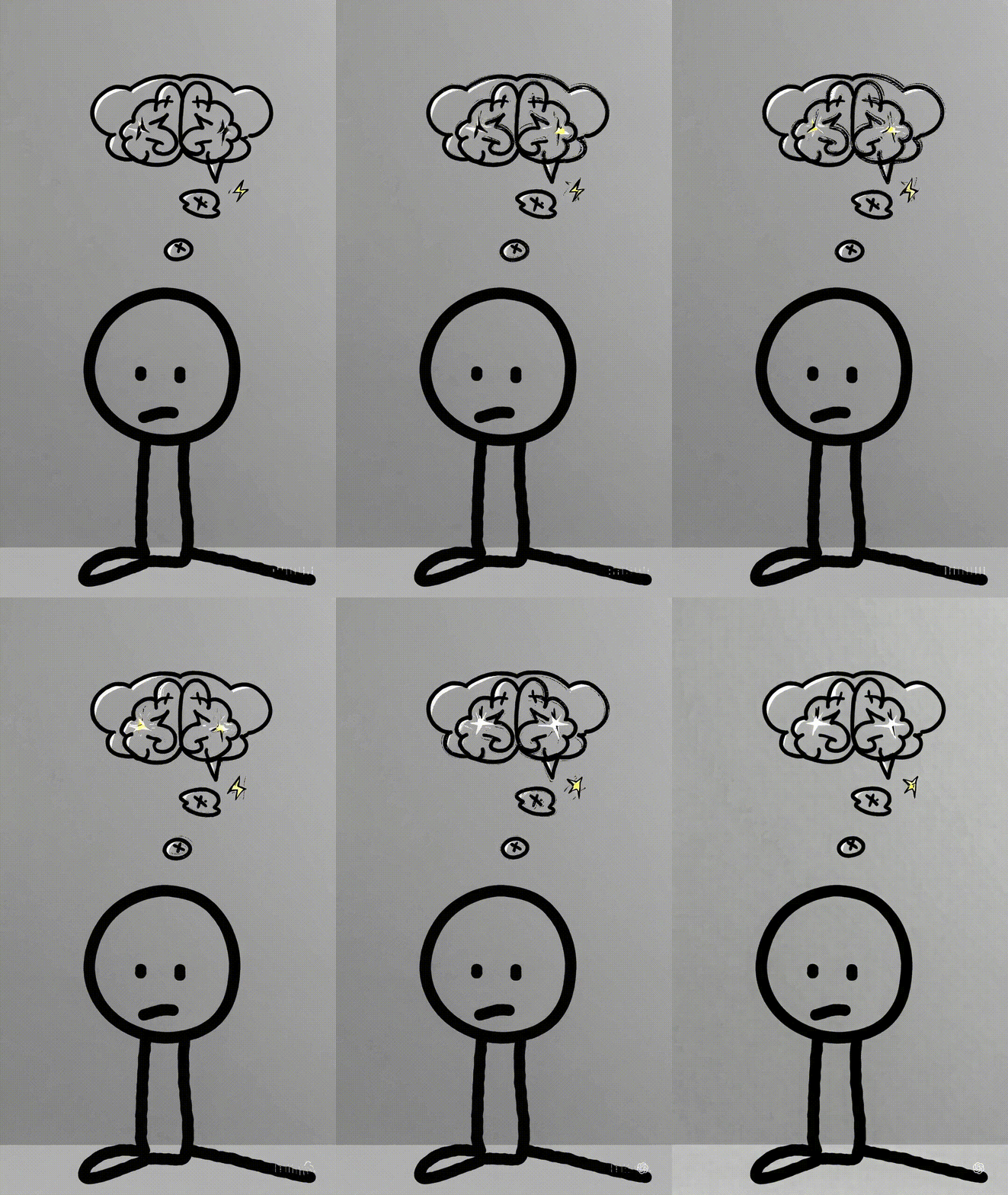
The gut-brain axis describes a complex communication network that involves far more than just nerves. This system incorporates the autonomic nervous system, hormones, immune signaling, and microbial metabolites. When you feel "butterflies" before a presentation, you're experiencing this axis in action.
Let us consider a concrete example: acute emotional stress rapidly alters gastrointestinal function in predictable ways. Stress slows gastric emptying (explaining why you lose your appetite before a big event) but can speed colonic transit (explaining why some people experience urgent bowel movements during exams or public speaking). This isn't weakness; it's your nervous system redirecting resources away from digestion toward perceived threats.
Research in irritable bowel syndrome has provided compelling evidence of dysregulated gut-brain communication.
Many IBS patients show heightened brain activation in response to gut stimuli, increased rates of anxiety and depression, and altered pain processing. Their symptoms are real physiological phenomena, not "all in their head", though the head certainly plays a role in how signals are processed.
Communication pathways extend beyond the nervous system.
The vagus nerve provides rapid signaling of stretch, pain, and chemical changes. Hormones like GLP-1 and ghrelin regulate appetite and metabolism. Immune pathways involving cytokines influence mood and sickness behavior. And gut microbiota contribute through metabolites like short-chain fatty acids (SCFAs).
Recent research shows that dietary fiber promotes beneficial gut bacteria that produce SCFAs through fermentation, and these SCFAs can affect blood pressure regulation, metabolic health, and potentially mood modulation through various host pathways.
Also read: How Gut Inflammation Affects Your Brain Power
Gut Feelings and Decisions: What Science Says
A "gut feeling" refers to intuition, fast, automatic judgments that seem to bypass conscious reasoning. Science treats this as a brain process informed by past learning and real-time bodily cues, not as literal wisdom from your intestines.
The enteric nervous system doesn't "have feelings" or form beliefs. Gut signals like stretch, discomfort, and heart rate changes are interpreted by the brain, manifesting as a "knot in the stomach" or vague unease, experiences created in your skull based on data from below.
Beliefs and expectations powerfully shape bodily experiences through placebo and nocebo effects. When you expect relief, brain activity changes to reduce pain or cramping. Negative expectations can increase discomfort. Your expectations don't just affect interpretation; they change the underlying physiology.
While animal studies show robust links between gut microbiota and brain circuits, direct causal links in humans between specific microbes and emotions remain under investigation.
Clinical and Everyday Implications: When to Trust Your Gut
"Trusting your gut" carries two distinct meanings worth separating. First, there's the literal sense: listening to reliable bodily warning signals like persistent pain, unexplained changes in bowel habits, or chronic discomfort that warrant medical attention. Second, there's the metaphorical sense: relying on intuition for quick decisions. Both have their place, but neither deserves blind faith.
Several medical conditions involve central disruptions in gut-brain interactions. Irritable bowel syndrome features abdominal pain and altered bowel habits, with heightened visceral sensitivity and stress-symptom connections. Functional dyspepsia involves upper abdominal discomfort without a structural cause, driven by abnormal gastric sensory processing.
These functional gastrointestinal disorders are real conditions, even when standard tests appear normal. The absence of visible disease doesn't mean absence of dysfunction; it means the dysfunction occurs at the level of signaling and processing.
Evidence-based treatments increasingly target both the brain and the gut.
Low-dose antidepressants are used not for depression but for their effects on pain modulation and visceral sensitivity. Psychological therapies like cognitive behavioral therapy and gut-directed hypnotherapy have shown efficacy comparable to medications for conditions like IBS.
A 2025 systematic review and meta-analysis found that gut-directed hypnotherapy improved global IBS symptoms and particularly reduced pain compared to other standard interventions.
Lifestyle modifications that support gut-brain health include diaphragmatic breathing (which activates parasympathetic pathways that calm autonomic arousal), regular physical activity (improves motility and stress resilience), adequate sleep (disrupted sleep worsens gut symptoms), and stress management.
Diet plays a significant role in supporting gut microbiota. A 2025 Japanese study found that dietary fiber supplementation significantly improved bowel-related quality of life and increased SCFA-producing bacteria like Anaerostipes and Bifidobacterium. Fermented products like yogurt, kefir, and sauerkraut introduce potentially beneficial bacteria, though effects on mood disorders remain under investigation.
For non-medical decisions, relationships, business choices, safety assessments, gut feelings serve best as early warning signals that prompt further investigation, not as final verdicts. When you sense something is wrong, treat that feeling as data worth examining.
Future Directions in Gut Research
Stanford researchers are exploring how impaired gut-brain signals during long COVID could cause brain fog, and evidence suggests gut dysfunction may precede Parkinson's disease by decades.
Microbiome-based treatments show promise.
Fecal microbiota transplantation, already used for C. difficile infection, is being studied for IBS and neurodegenerative diseases. Research is shifting toward human-centered models that use organoids and organ chips to improve understanding. The NIEHS recently approved funding to study how environmental exposures affect the gut-brain axis.
Beware the hype. Products claiming to "optimize your microbiome" or cure mental health through gut manipulation often lack rigorous evidence. The takeaways remain straightforward: eat fiber, manage stress, take digestive symptoms seriously, and stay skeptical of miracle cures.
Ready to Support Your Gut-Brain Connection?
Understanding the gut-brain axis is just the first step. At ChAIron House, we combine cutting-edge AI coaching with evidence-based wellness strategies to help you optimize both your physical and mental health.
Our personalized approach goes beyond generic advice, using smart technology to create sustainable habits that support your gut health, stress management, and overall well-being.
Explore our evidence-based wellness content to learn more about building a healthier relationship with your body and mind.
Frequently Asked Questions
- Can gut health really affect my mood and mental health?
Yes, the gut-brain axis is a bidirectional communication system where gut microbiota and their metabolites can influence brain function and mood through multiple pathways, including the vagus nerve, immune signaling, and microbial metabolites.
- What foods should I eat to improve my gut-brain health?
Focus on fiber-rich foods that serve as substrates for bacterial fermentation, producing beneficial short-chain fatty acids. This includes vegetables, fruits, whole grains, legumes, and nuts. Fermented foods like yogurt, kefir, sauerkraut, and kimchi can introduce potentially beneficial bacteria.
- Is gut-directed hypnotherapy really effective for IBS?
Yes, multiple studies confirm gut-directed hypnotherapy's effectiveness for IBS. A 2025 systematic review found that it improved global IBS symptoms and, in particular, reduced pain compared with standard interventions.
- How long does it take to see changes in gut health after dietary changes?
Research shows that gut microbiome composition can begin to change within 2-4 weeks of dietary fiber intervention, with increases in beneficial bacteria such as Bifidobacterium and Anaerostipes.
- Should I take probiotics to improve my gut-brain axis?
While some studies show promise for specific probiotic strains in certain conditions, the evidence for general "gut health" probiotics remains mixed. The effectiveness depends heavily on the specific bacterial strains, dosage, and individual factors.
Trust Your Gut—But Train It Wisely
Your gut feelings are real signals, but they work best when your gut and brain are in balance. By supporting digestion, managing stress, eating more fiber, and staying skeptical of quick-fix promises, you give your “second brain” the conditions it needs to guide you well.
Explore how ChAIron House can help you build a healthier gut and a calmer mind
Discover how ChAIron House blends AI coaching with science-backed lifestyle guidance to support your gut-brain axis, improve digestion, reduce stress, and help you feel calmer and more in control of your health.