March 3, 2026
What is Contrast Therapy and How It Works
Contrast therapy is a powerful recovery method that alternates hot and cold exposure to improve circulation, reduce inflammation, and accelerate muscle recovery. Learn how it works, its benefits, risks, and how to safely start your own routine.
Ready to Experience Contrast Therapy the Right Way?
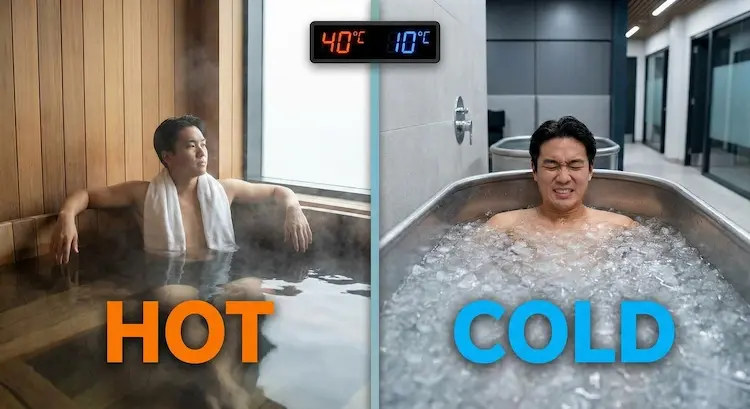
Contrast therapy is a simple recovery method that uses both hot and cold exposure to support healing, reduce soreness, and improve circulation.
The therapy involves switching between warm water and cold water, such as in a hot bath followed by an ice bath. Athletes, physical therapists, and wellness clinics use this method to help the body recover after stress or injury.
While it may look like a modern trend seen in sports recovery videos and wellness spas, contrast therapy has been used for decades in physical therapy settings.
In this article, you will learn how contrast therapy works, why people use it, what benefits it offers, and what risks to consider.
How Contrast Therapy Works
Contrast therapy is based on a simple body reaction.
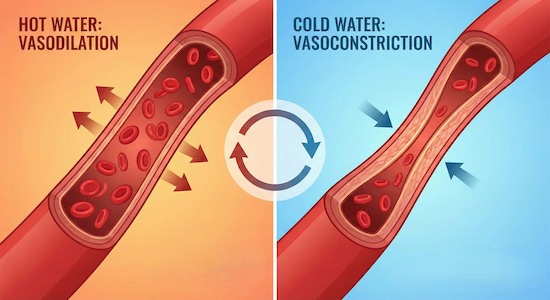
Heat causes blood vessels to widen. Cold causes them to tighten.
When you move between hot and cold, your blood vessels repeatedly open and close. This process helps push blood through the tissues.
Technically speaking, your blood vessels undergo vasoconstriction, which means they shrink or tighten. This pushes blood away from your skin and toward your internal organs to keep them warm. By switching back and forth, you are essentially creating a manual pump for your circulatory system.
This helps move waste products, like lactic acid, out of your muscles and brings in fresh, healing blood.
Why Athletes Love This Recovery Method
For athletes, the goal is always to return to training as soon as possible. Muscle soreness, often referred to as delayed onset muscle soreness (DOMS), can keep a person sidelined for days.
Studies have shown that contrast water therapy is much better than simply resting. In fact, research involving competitive swimmers found that those who used contrast therapy had significantly lower blood lactate levels after high-intensity exercise compared to those who just rested.
Specifically, the swimmers who used the hot and cold cycles had lactate levels of 7.75 mmol/L, while those who rested had levels of 10.86 mmol/L (Ideal lactate levels - 4.5–9.0 mg/dL).
This reduction in waste products helps the muscles feel less heavy and sore. It also helps maintain muscle strength.
Contrast therapy also helps to reduce the loss of muscle strength after a hard workout. This means an athlete can return to their peak performance levels much faster.
Reducing Inflammation and Swelling
Inflammation is a natural part of the healing process, but too much of it can cause pain and slow you down.
When you have an injury or push your body to the limit, fluid can build up in your tissues, leading to swelling. The cold part of contrast therapy is excellent for managing this. By narrowing the blood vessels, the cold water limits the amount of fluid that can leak into the surrounding tissue.
When you follow the cold with heat, the increased circulation helps carry that excess fluid away. This is why many physical therapists recommend contrast baths for people with hand or foot injuries.
It is a very popular choice in the medical community, with reports showing that up to 70 percent of physical therapists who specialize in hand therapy use contrast baths as part of their treatment plans.
Mental Health And Energy Benefits
Contrast therapy improves your mental health alongside your physical health. Jumping into cold water is a shock to the system. It triggers a release of hormones like adrenaline and endorphins. These are the body's natural feel-good chemicals.
Many users report a sense of euphoria or an afterglow following a session.
In wellness communities, this is often used to combat mental fatigue or brain fog. The intense sensory experience forces you to focus on your breathing and stay in the moment.
Thus, it can be a great way to build mental toughness. If you can handle three minutes of cold water, you might find that you can handle the stresses of a busy workday with more calm and focus.
The Growing Popularity Of Home Units\
In the past, you had to visit a specialized clinic or a spa to get the full contrast therapy experience. Now, the market for home recovery tools is exploding.
People are buying dedicated cold plunge tubs and portable saunas to create their own wellness centers at home. The demand is so high that the global market for contrast therapy units reached 15.4 billion dollars in 2025.
This proves that people are moving away from quick fixes and toward holistic, non-invasive ways to manage their health. Whether it is a professional athlete or someone dealing with the aches and pains of daily life, having access to these tools at home makes it easier to stay consistent with a recovery routine.
How To Do Contrast Therapy At Home
You do not need an expensive setup to start. You can use two tubs or even just your shower. The most common method is the 3 to 1 ratio. This means you spend three minutes in the heat and one minute in the cold. You should aim to repeat this cycle four or five times.
If you are using a shower, start with a warm temperature for a few minutes. Then, turn the handle to the coldest setting you can handle for 60 seconds. Make sure the water hits your back and chest. After the minute is up, go back to the warm water.
Always try to end your session on the cold cycle. This helps close up the blood vessels and leaves you feeling energized rather than sleepy.
Important Safety Tips For Beginners
While contrast therapy is safe for most people, it is still a stressor on the body. The rapid change in temperature makes your heart work harder. If you have a heart condition, high blood pressure, or problems with circulation, you should talk to a doctor before trying this.
Beginners should not start with extreme temperatures. You do not need the water to be boiling or freezing to see results. Aim for a hot bath that feels like a comfortable hot tub and a cold plunge that feels like a cold pool.
As your body adapts, you can slowly make the temperatures more extreme. Always listen to your body. If you feel dizzy or lightheaded, stop immediately and warm up slowly.
What Are The Risks Of Contrast Therapy
Most risks are related to the shock of the temperature change. Sudden exposure to very cold water can cause a gasping reflex, which can be dangerous if your head is submerged.
There is also the risk of skin irritation or burns if the hot water is too high. People with sensory issues, such as those with diabetes who might have reduced feeling in their feet, should be extra careful to test the water temperature with a thermometer or a healthy hand.
Another risk involves the cardiovascular system. The rapid switching between widening and narrowing blood vessels can put pressure on the heart.
This is why it is generally not recommended for those with existing heart disease. Always stay hydrated and avoid doing contrast therapy if you consumed alcohol.
How Do You Feel After Contrast Therapy
The immediate feeling is usually one of intense alertness. Because the cold water triggers a stress response, you will likely feel a rush of energy. Once you dry off and your body temperature stabilizes, this usually turns into a deep sense of relaxation. Many people report that they sleep better on the days they perform contrast therapy.
Your muscles might feel lighter and less stiff almost immediately. Unlike a standard ice bath, which can sometimes leave you feeling tight, the heat cycles in contrast therapy help keep the tissues pliable.
This combination of being energized and relaxed is what makes the therapy so addictive for many fitness enthusiasts.
Is It Safe To Do Contrast Therapy Daily
For healthy individuals, it is generally safe to use this method every day. Many athletes use it as a daily tool to manage the wear and tear of training.
However, it is a form of recovery, not the workout itself. If you find that you are relying on it to mask serious pain, you should consult a professional to ensure you are not hiding an injury that needs medical attention.
Most experts suggest that even doing it two or three times a week can provide significant benefits. Consistency is more important than frequency. If you are using it for chronic conditions like arthritis, a daily session in the morning might help reduce stiffness and improve your mobility for the rest of the day.
How Long Does Contrast Dye Stay In Your System
Contrast therapy and contrast dye are two different things. Contrast therapy is the physical use of hot and cold water for recovery.
Contrast dye, on the other hand, is a substance used during medical imaging, like CT scans or MRIs, to help doctors see your internal organs more clearly.
If you are asking about medical contrast media, these dyes are typically processed by your kidneys. For most people with healthy kidney function, the majority of contrast dye leaves the system within 24 hours.
Doctors usually recommend drinking plenty of water after an imaging test to help flush the dye out of your body more quickly. If you have kidney issues, your doctor will take special precautions before using these agents.
Conclusion
Contrast therapy is considered the future of recovery and wellness. The rise of this method proves that we are becoming more aware of how our environment impacts our health.
We live in climate-controlled spaces where we rarely experience true heat or cold. By intentionally stepping into these extremes, we are challenging our bodies to become more resilient.
From improving heart health to supporting the immune system, the potential benefits go far beyond just healing a sore muscle.
So, whether you are an athlete looking for an edge or someone who just wants to feel a little bit better in their own skin, a simple switch of the shower handle might be exactly what you need.
Why Contrast Therapy Is More Than a Trend
Contrast therapy is not just a viral wellness trend — it is a science-backed method that leverages the body’s natural vascular response to temperature. By intentionally alternating between heat and cold, you stimulate circulation, reduce inflammation, and build resilience. Whether done at home or in a professional setting, consistency and safety are key. With the right approach, contrast therapy can become a sustainable part of your recovery and performance routine.
Experience Professional Contrast Therapy in a Controlled Setting
If you want the benefits without guessing temperatures or timing, our guided sessions combine sauna and cold exposure protocols designed for optimal recovery and performance. Book your session and feel the difference.