March 3, 2026
What Is Peptide Therapy? A Beginner's Guide
Peptide therapy uses targeted amino acid chains to support fat loss, recovery, hormonal balance, skin health, and longevity. Learn how it works, what peptides are used, and whether it’s right for you at Chairon House.
Start Your Personalised Peptide Plan at Chairon House
Peptide therapy is everywhere right now, especially in wellness and weight loss circles. But if you've been nodding along whenever someone mentions it without actually knowing what it means, you're not alone.
Here's the short version: peptides are short chains of amino acids that act as messengers in your body. They tell different systems what to do and when to do it.
In this guide, we'll break it all down in plain language. What peptide therapy actually is, how it works, whether it's safe, what it costs, and how to find the right clinic if you're thinking about trying it.
What Is Peptide Therapy?
Your body already produces peptides on its own. They're essentially small proteins that signal various functions, such as metabolism, muscle repair, fat burning, and hormone balance.
Peptide therapy works by introducing specific peptides to trigger specific results. Think of it as sending clearer, more targeted instructions to your body. Instead of hoping your system figures it out, you're giving it a precise nudge in the right direction.
Not all peptide therapy is the same, though. The peptides used, the protocol followed, and the outcomes you're working toward will vary significantly depending on your goals and your biology. If you want a deeper dive into how protocols are structured and what questions to ask before starting, our Peptide Therapy FAQ covers the most common ground.
How Does Peptide Therapy Work?
Peptides bind to receptors throughout your body and essentially give cells their marching orders. Depending on the peptide, those orders might be to increase growth hormone production, improve insulin sensitivity, enhance fat metabolism, or speed up tissue repair.
The key thing to understand is that it's not a one-size-fits-all approach. Different peptides do different things, and a good protocol is built around your specific goals, not a generic template.
At Chairon House, peptide therapy is always guided and supervised. It's not self-prescribed, and it's not guesswork. The protocol is built around where you are and where you're trying to get to.
Does Peptide Therapy Work?
The honest answer is: it depends on the peptide and the protocol.
Many peptides are backed by a growing body of research, and results in clinical and performance settings have been promising. But results vary. Your lifestyle, consistency, dosage, and whether you're being properly supervised all play a role in the therapy's effectiveness.
One of the most searched applications right now is weight loss, and it's worth exploring that in more detail.
What Is Peptide Therapy for Weight Loss?
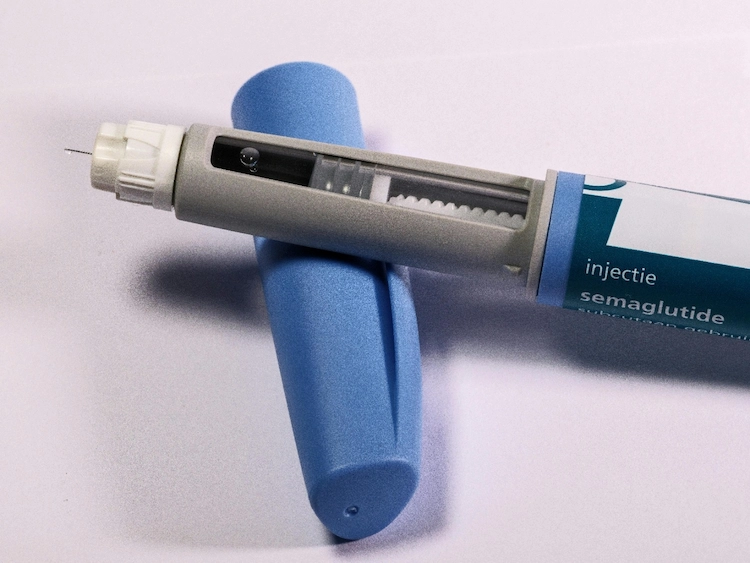
Certain peptides target fat metabolism, appetite regulation, and insulin control, which is why they've become so popular in the weight loss space. GLP-1 type peptides, for example, work by signaling satiety and supporting the body's ability to manage blood sugar more efficiently.
But it's worth being clear about one thing: peptide therapy for weight loss is not a shortcut. It works best when it's paired with solid nutrition and consistent training. Think of it as metabolic support, not a replacement for the fundamentals.
At Chairon House, the approach is integrated. Gym, metabolic support, and expert oversight all work together rather than operating in isolation.
Also read: GLP-1 in Dubai: Everything You Need to Know
Other Uses of Peptide Therapy (Beyond Weight Loss)
Weight loss gets most of the attention, but it's far from the only reason people explore peptide therapy. Here's a look at some of the other areas where peptides are being used.
Longevity and Cell Repair
As we age, cellular repair slows down. Certain peptides support cellular regeneration, reduce oxidative stress, and help maintain tissue integrity over time. They're commonly included in performance longevity protocols for people who want to age better, not just live longer.
Skin Health and Anti-Aging
Peptides have been widely used in regenerative and aesthetic medicine for good reason. Some are particularly effective at stimulating collagen, improving skin elasticity, reducing fine lines, and supporting skin healing.
GHK-Cu is a well-known example, valued for its support of collagen repair and anti-aging. If you're specifically exploring peptides for skin, our dedicated guide to copper peptide therapy in Dubai goes into much more detail on how GHK-Cu works and what to expect.
Injury Recovery and Tissue Healing
In sports medicine and recovery settings, certain peptides are explored for their potential to support muscle repair, tendon and ligament healing, reduce inflammation, and shorten recovery time from strain or overuse injuries.
BPC-157 is commonly associated with tissue healing and gut repair, while TB-500 is often used for muscle recovery and anti-inflammatory support. If you're trying to decide between the two, our BPC-157 vs TB-500 comparison breaks down which is better suited to different recovery goals.
Gut Health and Inflammation Support
Peptides can also support gut lining repair, reduce systemic inflammation, and modulate immune responses. KPV+ is one example, often used for anti-inflammatory support in skin and gut-related conditions.
Hormonal Optimization and Energy Production
Some peptides influence growth hormone signaling and recovery capacity, translating into practical benefits such as improved sleep quality, better recovery between training sessions, support for lean muscle maintenance, and more efficient energy production pathways. CJC-1295 is frequently used in this context to support growth hormone, and is often stacked alongside Sermorelin for a more comprehensive hormonal support protocol.
Peptide Stacks and Combination Protocols
Clinics may combine multiple peptides into structured stacks depending on what a patient is trying to achieve. Rather than targeting a single pathway, stacking allows for multi-system support.
Some common examples at Chairon House include:
- NAD Stack: often used for cellular energy and metabolic support
- GLOW Stack: focused on skin, collagen, and aesthetic regeneration
- KLOW Stack: designed for performance, recovery, and inflammation support
Also read: Skin Aging Is Internal: What Your Blood Markers Reveal
Is Peptide Therapy Safe?
Safety in peptide therapy comes down to a few key factors: medical supervision, quality sourcing, and correct dosing. When those three things are in place, the risk profile is generally considered to be manageable.
The problems typically arise when people source peptides online without any medical oversight and self-administer them without proper guidance. That's where things can go sideways. It's also worth understanding the legal framework around peptide therapy in the UAE before starting a protocol, so you know exactly what's permitted and what to look out for.
Before starting any peptide protocol, a proper clinical evaluation is important. At Chairon House, all peptide protocols are structured and monitored. The goal is to make sure you're getting the right peptide, at the right dose, for the right reason.
How Much Does Peptide Therapy Cost?
The cost of peptide therapy varies depending on several factors: which peptides are included in your protocol, how long the treatment lasts, and whether lab testing is included upfront.
It helps to think of it as an investment in your metabolic health rather than a one-off expense. The right protocol, properly supervised, can have compounding benefits over time.
If you're in the early stages of exploring this, booking a consultation is the best first step. You'll get a clearer picture of what a protocol would actually look like for you and what to budget for.
Where to Get Peptide Therapy (And How to Choose the Right Clinic)
Not all peptide clinics are equal, and it's worth knowing what to look for before committing to a protocol anywhere.
A good clinic will have:
- Medical oversight from a qualified practitioner
- Proper lab testing before and during the protocol
- An individualised approach rather than a fixed menu
- Transparent sourcing so you know exactly what you're getting
One thing to avoid: buying peptides online and self-administering without any clinical guidance. It might seem like a way to cut costs, but the risks of incorrect dosing or poor quality sourcing aren't worth it.
Looking for Peptide Therapy Near You?
If you're based in Dubai and searching for a peptide therapy clinic, Chairon House is worth a closer look.
The approach at Chairon House is performance-led and clinically guided, with peptide protocols integrated into a broader ecosystem that includes fitness training, recovery support, and metabolic testing. It's built for people who want real results, not a wellness experience that looks good but doesn't move the needle.
Rather than offering a generic protocol, the team works with you to build something that fits your biology and your goals.
Who Is a Good Candidate for Peptide Therapy?
Peptide therapy tends to be a good fit for people who are dealing with:
- Stubborn fat that isn't shifting despite consistent effort
- Low energy or a noticeable drop in recovery capacity
- Slow recovery from training or injury
- Hormonal imbalance that's affecting performance or well-being
That said, it's not the right fit for everyone. The only way to know if it makes sense for you is through a proper consultation and clinical assessment.
Final Thoughts: Is Peptide Therapy Right for You?
Peptide therapy is targeted, it's grounded in emerging science, and it's growing quickly as more people look for smarter ways to support their health and performance. But it's not something to approach casually.
The right protocol, supervised by the right people, can make a real difference. The wrong approach without medical oversight can create more problems than it solves.
If you're curious about whether peptide therapy fits your goals, the best place to start is a consultation at Chairon House. Our in-house experts will walk you through what's relevant for your situation and what a structured protocol would actually look like for you.
Peptide Therapy Isn’t a Shortcut — It’s a Strategy
Peptides don’t replace training, nutrition, or discipline. They enhance them. When used correctly and supervised properly, peptide therapy can support fat metabolism, cellular repair, hormonal balance, recovery, and longevity. The key is structure, medical oversight, and integration into a broader performance plan. If you’re serious about optimising how your body functions — not just how it looks — peptide therapy may be worth exploring.
Ready to Optimise Your Energy, Recovery, and Results?
Whether you're targeting fat loss, faster recovery, better skin, or long-term metabolic resilience, peptide therapy works best inside a complete system. Train, test, and optimise under expert supervision at Chairon House. Schedule your consultation and see what a precision protocol looks like.